Massachusetts homeowners may still qualify for valuable heat pump rebates and financing programs in 2026 through Mass Save and HEAT Loans. Depending on the project type, eligible homeowners may receive rebates for whole-home heat pump conversions, low-interest financing, and additional incentives for weatherization improvements.
However, many homeowners remain confused about which programs still exist, how much they may save, and whether federal tax credits still apply after recent legislative changes. Understanding current rebate programs can help you compare options, estimate installation costs, and avoid delays during the busy heating season.
Quick Answer: Are Massachusetts Heat Pump Rebates Still Available in 2026?
Yes. As of early 2026, Massachusetts homeowners may still qualify for heat pump rebates through Mass Save, along with HEAT Loan financing for eligible projects. Rebate availability depends on factors like system type, whole-home versus partial-home installation, household income eligibility, and current program requirements.
Because rebate programs and federal incentives can change throughout the year, you should verify current eligibility requirements before starting a project.

What Is Mass Save?
Mass Save is a statewide energy efficiency program sponsored by participating Massachusetts utility companies and energy efficiency providers. The program encourages homeowners to install qualifying energy-efficient equipment through rebates, home energy assessments, weatherization improvements, and financing opportunities.
As of 2026, Mass Save continues offering rebates for eligible heat pump installations that meet current efficiency and installation standards.
Rebate eligibility may depend on:
- System type
- Existing home heating setup
- Whole-home or partial-home installation
- Equipment efficiency ratings
- Income qualification
- Completion of weatherization recommendations
Whole-home heat pump conversions often qualify for larger rebates than partial-home systems. Additional incentives may also be available for income-qualified households. Because program funding levels and requirements may change during the year, you should always confirm current rebate information directly through Mass Save before making final purchasing decisions.
Learn more about current specials & rebates!
What Types of Heat Pumps Qualify for Mass Save Rebates?
Several types of systems may qualify for Mass Save incentives when installed according to current program standards. Equipment must meet specific efficiency requirements, and proper system sizing plays an important role in long-term performance and rebate approval.
Eligible systems may include:
- Ductless mini-split heat pumps
- Central ducted heat pumps
- Air-to-water heat pumps
- Whole-home heat pump systems
- Partial-home heat pump systems
- Hybrid heating systems
In some cases, Mass Save may require insulation or air sealing improvements before approving certain projects. Weatherization improvements help improve overall home efficiency and support better heat pump performance during colder weather.
Understanding the HEAT Loan Program
The HEAT Loan program helps Massachusetts homeowners finance qualifying energy-efficient home improvements. Approved borrowers may receive low-interest financing for eligible HVAC upgrades, including heat pump installations and weatherization improvements.
Many homeowners use HEAT Loans to reduce upfront project costs while spreading payments over time.
The program may offer:
- Low-interest financing
- Fixed monthly payments
- Financing for approved HVAC upgrades
- Financing for insulation improvements
- Financing for air sealing projects
- Flexible loan terms for qualifying projects
What Changed With Federal Heat Pump Tax Credits?
Many homeowners still associate heat pump incentives with federal programs introduced during earlier Inflation Reduction Act years. However, federal tax credit availability changed after 2025, creating confusion about which incentives still apply in 2026.
Federal incentive eligibility may now vary based on:
- Installation timing
- Equipment efficiency ratings
- Legislative updates
- Manufacturer certifications
- Individual tax situations
Can Homeowners Combine Rebates and Financing?
Many Massachusetts homeowners may still combine Mass Save rebates with HEAT Loan financing for qualifying projects. This combination can help reduce upfront expenses while improving long-term home efficiency.
For example, a homeowner replacing an older oil heating system with a cold-climate heat pump may qualify for a state rebate while also financing remaining project costs through a HEAT Loan.
However, program rules may affect how incentives interact with financing or potential tax credits. Accurate documentation remains important throughout the process.
Working with experienced HVAC professionals can help you avoid delays, missing paperwork, or installation issues that could affect rebate approval.
What Type of Heat Pump Works Best in Massachusetts?
It depends. Massachusetts homeowners can choose from several heat pump options depending on their home layout, comfort goals, and existing HVAC infrastructure.
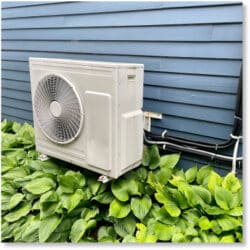
Ductless Mini-Splits
Ductless systems work well in older homes without existing ductwork. They also provide zoned temperature control for additions, finished basements, and individual problem areas.
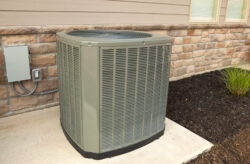
Central Ducted Heat Pumps
Central, ducted, heat pump systems often fit newer homes with existing air distribution systems. These systems provide whole-home comfort through traditional vents and ductwork.
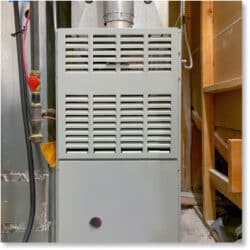
Hybrid Heating Systems
Hybrid systems combine heat pumps with backup heating systems for additional flexibility during colder winter conditions. Many Massachusetts homeowners choose hybrid systems to balance comfort and efficiency.
A professional evaluation from DeWolfe Plumbing, Heating & Cooling can help determine which system best matches your home’s layout, heating demands, and long-term efficiency goals.
Reach out to us for a free estimate!
How Much Does a Heat Pump Cost in Massachusetts?
Heat pump installation costs in Massachusetts can vary significantly depending on the type of system, home size, existing HVAC infrastructure, efficiency ratings, and installation complexity. While some homeowners only need a smaller ductless system for a specific area, others may require a full whole-home conversion.
As of 2026, many standard air-source heat pump systems typically range from approximately $7,000 to $14,000+ installed for average residential applications. Higher-efficiency systems or more complex installations may exceed those ranges.
Factors that may impact total project pricing include:
- Home Size and System Tonnage: Larger homes require larger systems. For example, a 2,000-square-foot home may require a 3- to 3.5-ton heat pump system depending on insulation levels and home layout.
- Efficiency Ratings: Higher-efficiency SEER2-rated systems generally cost more upfront but may provide greater long-term energy savings.
- Ductwork Modifications: Retrofitting, sealing, or repairing existing ductwork may add roughly $500 to $4,000+ or more depending on the condition of the home’s air distribution system.
- Electrical Upgrades: Some homes may require panel upgrades or additional electrical work to support newer heat pump systems.
- Number of Indoor Zones: Multi-zone ductless systems with several indoor air handlers may increase overall installation costs.
Although upfront installation costs may feel substantial, many Massachusetts homeowners offset expenses through Mass Save rebates, HEAT Loan financing, and improved long-term energy efficiency.
Planning Ahead for 2026 Heat Pump Incentives
Massachusetts incentive programs may continue evolving throughout 2026 as funding levels and statewide energy goals change. If you are considering a heat pump upgrade, you should begin researching options early. Rebate funding availability and eligibility requirements may also shift during the year.
Planning ahead gives you more time to:
- Compare system options
- Schedule home evaluations
- Review financing opportunities
- Verify rebate eligibility
- Complete weatherization improvements
- Prepare application documents
Contact DeWolfe Plumbing, Heating & Cooling today to schedule a professional heat pump consultation and explore available rebate opportunities for your home.
Frequently Asked Questions About Massachusetts Heat Pump Rebates
Many ductless mini-split systems may qualify if they meet current Mass Save efficiency requirements and installation standards.
Yes. Many Massachusetts homeowners replace older oil heating systems with cold-climate heat pumps or hybrid systems.
Approval timelines can vary depending on program volume, required documentation, and project complexity.
No. HEAT Loans may also help finance qualifying insulation, weatherization, and energy efficiency improvements.
Yes. Heat pumps provide both heating and cooling from the same system.
Modern cold-climate heat pumps are designed to continue operating during freezing temperatures, although efficiency and output may vary depending on outdoor conditions.
Related post: Heat Pump vs. Furnace in Massachusetts: What to Know Before You Switch