
Choosing the right heating system in Massachusetts requires careful planning, especially with long winters and rising energy costs. If you are comparing heat pump vs. furnace systems when upgrading, the best choice depends on more than just temperature. You need to consider efficiency, comfort, cost, and each system’s performance in your specific home.
How Heat Pumps and Furnaces Work
Before you compare performance or costs, you need to understand how each system operates. The way a system produces or transfers heat directly impacts efficiency and comfort. Furnaces generate heat by burning fuel or using electricity; they push that heated air through ductwork. Gas furnaces dominate in Massachusetts because they deliver strong, consistent heat even during freezing temperatures. When the system turns on, it heats the air quickly and distributes it throughout your home in short cycles.
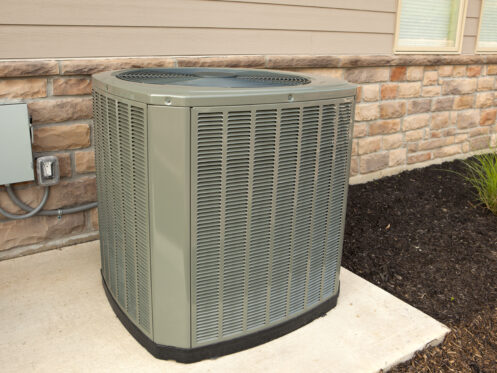
Heat pumps work differently. Instead of creating heat, they transfer it from outside to inside. Even in cold weather, modern systems can pull heat from the air and bring it indoors. This allows the system to run more steadily and maintain temperatures better. Furnaces focus on power and speed, while heat pumps focus on steady, efficient operation.

Performance in Massachusetts Winters
Massachusetts winters place heavy demands on your heating system. Long periods of cold weather require equipment that can perform reliably without frequent interruptions. Furnaces excel in extreme cold. They produce consistent heat regardless of the temperature, which makes them a dependable option in harsh conditions. If you want guaranteed heating performance, you may prefer the reliability of a furnace.
Heat pumps have improved a lot, but performance still varies based on the temperature. Many modern systems handle cold weather effectively, but efficiency can drop during extreme conditions. This leads you to ask, “Is a heat pump worth it in Massachusetts?” If you want a system that performs most of the time efficiently and you have proper insulation, a heat pump can work well. If you want maximum heating power during extreme cold, a furnace may better suit your needs.
Some homeowners choose hybrid systems that combine both technologies. This allows the heat pump to handle more moderate conditions while the furnace takes over when the temperature is colder.
Energy Efficiency and Operating Costs
Energy efficiency plays a major role when comparing heat pump vs. furnace systems. The way each system uses energy directly affects your monthly utility bills and long-term costs. Heat pumps rank as the most efficient heating system in Massachusetts during moderate winter conditions. They transfer heat rather than generate it, which will reduce energy consumption.
Furnaces rely on fuel combustion, which increases energy usage. While modern systems improve efficiency, they still depend on fluctuating gas or oil prices. This makes long-term costs less predictable.
Here are a few key heat pump efficiency advantages to consider:
- Lower energy use
- Dual-purpose system
- Reduced emissions
When evaluating costs, you should look beyond the initial price. Heat pumps may cost more upfront, but they tend to reduce your operating expenses with improved efficiency. Furnaces may cost less initially, but ongoing fuel expenses can add up over time.
Comfort and Indoor Experience
Comfort involves more than just reaching a set temperature. It includes how evenly your system heats your home and how it affects indoor air quality. Furnaces heat air quickly and deliver strong bursts of warmth. This can feel effective during cold weather, but it may create uneven temperatures as the system cycles. Some rooms may feel warmer than others, especially in larger homes.
Heat pumps provide steady and consistent heating. They run longer cycles at lower output levels, which helps maintain more balanced temperatures throughout your home. This will improve overall indoor comfort. Humidity is also important. Furnaces can dry out indoor air during the winter, which may cause discomfort. Heat pumps maintain more stable humidity levels. When comparing heat pump vs. gas furnace options, think about how your home feels day to day. Consistency and air quality matter just as much as heating power.
Installation and System Requirements
Switching heating systems requires more than simply replacing equipment. Your home’s infrastructure has an important role in how well a new system performs. Homes with existing ductwork can often support either system, but older ducts may limit efficiency. Poor airflow or outdated design can reduce overall system performance, regardless of the option that you choose.
Heat pumps may require electrical upgrades, especially in older homes. Ductless options provide flexibility for homes without traditional duct systems. These systems can improve efficiency while reducing the complexity of the installation. Furnace installations tend to be more straightforward when replacing an existing gas system. However, outdated components or poor insulation can still impact performance.
Key factors to consider include:
- Duct condition
- Electrical capacity
- Home insulation
Environmental Impact and Sustainability
Environmental impact has become an important factor for many homeowners. Choosing a heating system that aligns with your sustainability goals can influence your decision. Heat pumps operate using electricity and do not rely on combustion. As Massachusetts continues to transition toward renewable energy, heat pumps are becoming a more attractive option.
Furnaces rely on fossil fuels, which produce emissions during operation. While modern systems improve efficiency, they will still contribute to environmental impact. If sustainability matters to you, heat pumps have a clear advantage in the heat pump vs. furnace comparison. They support long-term environmental goals while also improving energy efficiency.
Is a Heat Pump Worth It in Massachusetts?
Many homeowners ask this question when considering a system upgrade. The answer depends on your home, your priorities, and your expectations for performance. Heat pumps work well in homes with proper insulation and modern infrastructure. They can be a worthwhile investment if you focus on long-term savings and environmental impact.
Furnaces remain a strong option if you prioritize reliability during extreme cold. They deliver powerful heating and maintain consistent performance regardless of outdoor conditions. When deciding if a heat pump is worth it in Massachusetts, you need to weigh efficiency, comfort, and reliability. Each system offers benefits, but the right choice depends on how you balance those factors.
Choosing the Best System for Your Home
Selecting between heat pump vs. furnace systems requires an understanding of your home’s needs. You should consider your home’s size, insulation, and existing infrastructure. Think about your energy costs and how long you plan to stay in your home. You should also consider your comfort preferences. Working with a professional helps to make sure that you choose the most efficient heating system in Massachusetts for your situation. Proper sizing and installation will help you achieve the best results.
Make an Informed Decision Before You Switch
Choosing between heat pump vs. furnace systems requires careful evaluation, but the right decision can improve comfort and reduce energy costs. By understanding how each system performs in Massachusetts and aligning your choice with your home’s needs, you can invest in a heating solution that delivers reliable performance. DeWolfe Plumbing, Heating & Cooling has been providing heating services to the Yarmouth area since 1931, so you can trust our team with your comfort. Contact us to book an appointment today.