
Cooling an older Massachusetts home comes with a number of challenges. When comparing mini-split vs. central air systems, the better choice depends on your home’s structure, your comfort goals, and your budget. Understanding how each option performs in older homes will help you make an informed decision for long-term comfort and efficiency.
Why Older Homes Need a Different Cooling Approach
Older homes often lack ductwork, and retrofitting ducts can require major construction. This creates challenges that newer homes do not face. Thick walls, unique layouts, and aging insulation can also impact how air moves throughout the house, sometimes leading to uneven cooling during hot and humid Massachusetts summers.
When evaluating mini-split vs. central air for an older home, consider how easily each system integrates with your existing structure. The goal is to improve comfort without disrupting the character of your home or taking on unnecessary renovation costs.
How Central Air Works in Older Homes
Central air systems rely on ductwork to distribute cooled air throughout the house. If your home already has ducts in good condition, installing central air can be a straightforward upgrade. However, many older homes lack ducts. Adding them often requires opening walls, ceilings, or floors, which can increase both cost and installation time. In some cases, space limitations make installation difficult without major structural changes.
Even when installation is possible, airflow design is critical. Poorly sized or routed ductwork can lead to hot spots and reduced efficiency. Central systems can provide whole-home cooling, but they depend heavily on the quality of the duct system.
How Mini Splits Work in Older Homes
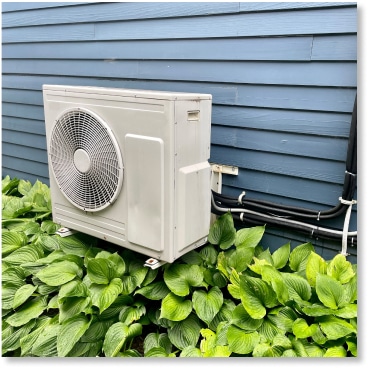
Mini split systems take a different approach. They consist of an outdoor unit connected to one or more indoor air handlers that deliver cooled air directly to specific rooms or zones. Since they do not require ductwork, mini-splits are often a practical option for older homes.
Mini splits also provide zoning capabilities. Each indoor unit operates independently, allowing you to control temperatures in different areas of your home. This flexibility can improve comfort and help reduce unnecessary energy use, especially in homes with unique layouts.
Installation Differences and Considerations
Installation plays a major role when comparing ductless mini-split vs. central air systems. Central air installation typically requires ductwork, which can involve cutting into walls and ceilings. This increases labor and material costs and may affect original features in older or historic homes.
Mini-split installation is less invasive. A small opening is needed to connect the indoor and outdoor units, which can reduce installation time and disruption.
Key installation differences include:
- Ductwork requirements
- Level of construction involved
- Installation time and complexity
Energy Efficiency and Operating Costs
Energy efficiency is another important factor when comparing mini-split vs. central air systems. Older homes often have insulation limitations, which makes system efficiency even more important.
Central air systems can operate efficiently when ductwork is properly sealed and designed. However, duct leaks or poor design may reduce overall efficiency.
Ductless mini-splits deliver cooled air directly into living spaces, avoiding duct-related losses. In many cases, this can improve overall efficiency, particularly in homes without existing ducts. While the upfront cost of a mini-split system may be higher, operating costs may be lower depending on usage and home conditions.
Comfort and Temperature Control
Comfort involves more than simply cooling your home. It depends on how evenly temperatures are maintained and how easily you can adjust settings for your daily needs.
Central air systems cool the entire home from a single thermostat. While convenient, this setup can make it harder to address temperature differences between rooms.
Mini splits offer zoned control, allowing you to adjust temperatures room by room. This can help improve comfort in older homes where layout and construction may lead to uneven cooling.
Maintenance and Long-Term Reliability
Maintenance requirements can affect long-term performance and cost. Central air systems require regular servicing, and ductwork should be inspected periodically to ensure it remains properly sealed and functioning as intended.
Mini-splits do not rely on ducts, which eliminates many airflow-related issues. Routine maintenance typically involves cleaning filters and keeping both indoor and outdoor units clear of debris.
System longevity also depends on workload. Central systems in older homes may run longer if airflow is restricted, while mini-splits often operate efficiently by targeting specific areas. With proper maintenance, both systems can provide reliable performance over time.
Which Option Is Better for Your Home?
Choosing between mini-split vs. central air depends on your home’s structure and your priorities. If your home already has well-designed ductwork, central air may provide effective whole-home cooling. However, if your home lacks ducts or would require significant modifications, a ductless system may be the more practical option.
Budget is also an important factor. Central air may have lower upfront costs in homes with existing ducts, but installation costs can increase if ductwork is needed. Mini-splits may cost more per unit but often reduce installation complexity and offer greater flexibility.
Make the Right Cooling Choice for Your Older Home
Selecting between ductless mini split vs. central air systems requires careful consideration of your home’s layout, efficiency goals, and comfort needs. Both options can provide effective cooling, but the better choice depends on how well the system fits your home.
DeWolfe Contracting Inc has been serving the Falmouth area since 1931. Contact our team today to schedule a consultation and explore the best cooling option for your home.