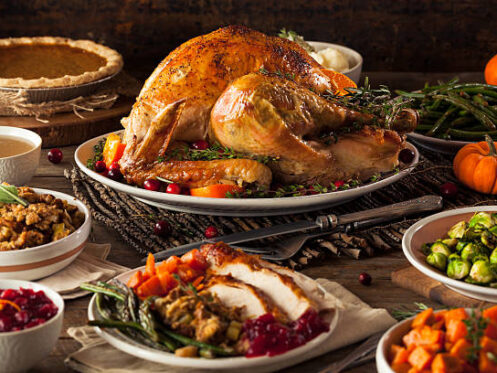
For many families, the most memorable part of Thanksgiving gatherings is the feast. Whether hosting guests for an afternoon dinner or overnight, there’s probably never a busier time for your kitchen and bathrooms. To keep everyone happy and stave off disasters, it’s important to get your plumbing ready.
1. Start the Holiday Season With a Professional Drain Cleaning
Heavy in-drain buildups are a natural, normal part of using your plumbing. Everything that flows down your drains contributes to these tacky accumulations. A professional cleaning will break down and push out any trapped debris, such as:
- Soap scum
- Hair
- Body oils
- Grease
- Food remnants
Treatments, like hydro-steaming, hydro-jetting and motorized drain snaking, can open pipes’ interiors. This expedites the movement of wastewater and eliminates unpleasant drain odors. It also minimizes the risk of backups and clogs.
Generally, you should schedule professional drain-cleaning service annually. Also, the best time to schedule these appointments is right before you host a large group of holiday guests.
2. Don’t Forget About Your Sewer Line
As part of your pre-Thanksgiving plumbing prep, catch up on sewer-line maintenance. All your drains converge into your sewer line. The wastewater from your dishwasher and washing machine empties into your sewer line, too.
Sewer lines develop the same tacky buildups that form in indoor drains and drainpipes Hard-water sediment, invasive tree roots and slowly decaying waste create sewer-line buildups as well.
With regular sewer service, plumbers can spot and address developing blockages before they stop the flow of wastewater entirely. The recommended schedule for sewer-line inspection and cleaning services is once every 18 to 22 months. However, if you’ve had problems with tree-root encroachment or whole-house plumbing backup before, scheduling sewer service every 12 months would be best.
3. Prepare for Proper Grease Disposal
Dispose of all cooking oils, grease and rendered fats the right way. After allowing them to cool, place them in heat-safe, disposable containers with lids. Once sealed, you can throw away the containers.
To prepare for heightened kitchen activity during the holidays, set aside several containers for grease disposal. You can use empty glass jars with lids, old coffee cans or empty juice bottles.
If you intend to deep-fry your turkey or any other food items. Find a local drop-off site for used cooking oil disposal. Not only does proper grease disposal prevent costly plumbing blockages, but it’s also key for protecting local groundwater stores.
4. Review the Do’s and Don’ts of Garbage Disposal Use
Your garbage disposal isn’t the ideal drop site for all your unwanted food waste. It’s important to limit how much food you place in this unit at any time and to make sure that the wrong things never enter it.
Things to Never Place in Your Garbage Disposal
Some foods can clog your garbage disposal, jam its impeller blades or cause other problems. These include:
- Nuts, nut butters, and seeds
- Vegetable and fruit peelings
- Eggshells and bones
- Coffee grounds
- Dry or cooked rice, pasta, or other starches
Scrape Rather Than Rinse
Rather than rinsing dishes before loading them into the dishwasher, scrape plates to remove as much residual food debris as possible. If you have plates, pots, or pans that are heavily coated in grease, wipe them off with paper towels before loading them.
5. Install Drain Baskets
With more people in your home and more people using your kitchen and bathroom plumbing, it’s important to protect your drains. Install drain baskets or drain strainers. These will filter out hair and solid, non-degradable items. Low-cost drain covers will stave off drain clogs and keep your wastewater moving swiftly.
6. Don’t Run Your Dishwasher and Garbage Disposal Simultaneously
Never use your dishwasher and garbage disposal at the same time. These appliances may share the same drain and the same electrical circuit. Using both at once can lead to an electrical overload. It can also clog their shared drain and leave both appliances worse for wear.
7. Schedule a Whole-House Plumbing Inspection
Much like drain and sewer line cleaning, all homes need regular whole-house plumbing inspections. You should schedule a whole-house plumbing inspection every year. Inspections allow plumbers to find and fix slow and hidden leaks, adjust water pressure levels, and more. Whole-house plumbing inspections keep small and developing issues from spiraling out of control.
8. Locate and Test Your Water Shut-Off Valves
If something does go awry, you’ll need to know where your water shut-off valves are. Your home has a main water shut-off valve that turns off the flow of fresh, potable water to the entire building. Each plumbing-connected appliance has a valve that disconnects its water supply. Check beneath all sinks and at the backs of your toilets for fixture-specific valves and test them.
You’ll find your main water shut-off valve where your main water supply line enters the building. It might be near your home’s front wall, in your crawlspace, or in your basement. If you can’t find your main shut-off valve on your own, ask your plumber to help you locate it during your whole-house plumbing inspection or drain cleaning service.
9. Schedule Water Heater Service
When preparing your plumbing for holiday guests, don’t forget your water heater. This appliance requires annual service, too. As needed, your plumber can flush out your water heater’s tank to remove hard water sediment, corrosion and other debris. Plumbers can also:
- Replace failed anode rods
- Check and adjust temperature settings
- Test the temperature and pressure relief (TPR) valve
- Test all electrical and gas connections
By scheduling these services before the holidays, you’ll ensure a reliable hot water supply for your guests. These visits boost the efficiency and performance of water heaters and limit the risk of tank ruptures and leaks.
10. Prime Your Bathrooms for Heavy Traffic
Adding drain baskets or drain sieves to your bathrooms is the first step in priming these areas for holiday guests. However, you should also make sure that each bathroom has a plunger handy and a lined wastebasket. Keeping wastebaskets visible and accessible will prevent guests from flushing items that don’t belong in your toilets, including:
- Cotton swabs
- Feminine hygiene products
- “Flushable” wipes
- Dental floss and floss swords
- Paper towels
To protect your sewer line, the only things that people should flush down a toilet are human waste and toilet paper.
Remove Non-Flushable Paper Products
Another great way to keep heavy, slow-degrading waste out of your sewer pipe is by removing certain items from your bathrooms before hosting guests. For instance, rather than providing paper towels for hand drying, put out guest towels in each of your bathrooms. If you have “flushable” wipes for personal cleaning, replace these with toilet paper sprays. Although manufacturers market “flushable” wipes as toilet-safe, these products can cause serious sewer line blockages and wreak havoc on municipal sewer systems.
DeWolfe Plumbing, Heating & Cooling is a top choice for plumbing service in West Boylston and the surrounding communities. We offer expert drain cleaning, drain snaking, and sewer service. We also provide whole-house plumbing inspections, water heater maintenance, and fixture replacement. For help getting your plumbing holiday-ready, get in touch with DeWolfe Plumbing, Heating & Cooling today!